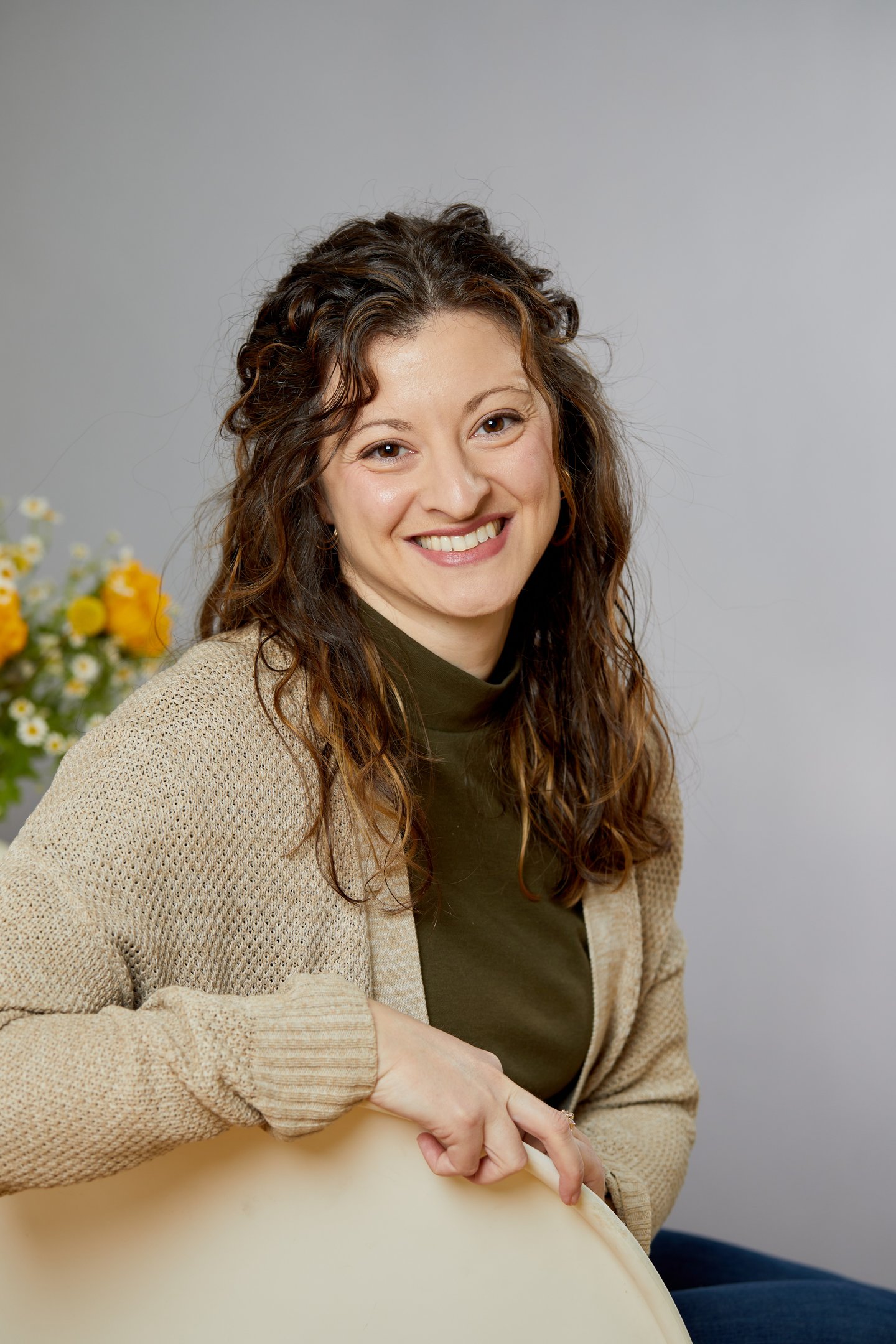


Meet Rachel Sullivan

It takes significant strength to take the first step in initiating a connection with a therapist.

I view all clients as experts of their own experience and I will follow your lead in establishing a treatment plan that will bring you closer to your personal goals.

My experience as a trauma therapist includes over 10 years of providing supportive services to survivors of crime and interpersonal abuse, as well as individuals impacted by depression and/or anxiety. My practice is based in trauma theory, psychodynamic psychotherapy, cognitive and dialectical behavioral therapy, and motivational interviewing. I have 5 years of experience providing clinical supervision to other clinicians including rising social workers and seasoned trauma-focused providers.

Symptoms of trauma, depression, and anxiety can be reduced so you can move on with increased strength. My goal is to help my clients identify their existing strengths to be able to expand upon their resilience and grow.

I look forward to meeting you and helping you on this journey.

What is a Trauma-Informed Therapist?

Trauma therapy emphasizes safety and trust and prioritizes the development of coping skills to manage intense thoughts and feelings. It can involve processing of traumatic or stressful memories and identifying triggers in one's life that activate trauma-related symptoms. Trauma therapy may involve exploration of physical stress symptoms and practice of techniques to calm the nervous system.

Surviving any traumatic experience can have long-lasting impacts on that person's physical and mental health. Whatever you are feeling can be extremely difficult and life-altering, but is normal and treatable.

A trauma therapist works hard to create a safe space where you can explore your feelings and find healing at your own pace.

My Approach

I treat adults with symptoms of:

  • Depression

  • Anxiety

  • Trauma, including Complex Trauma

  • Difficulties with Trust

  • Disordered Eating

  • Relationship Issues

  • Work-Related Stress

I incorporate elements from multiple evidence-based therapy modalities from a trauma lens, including:

  • Cognitive Behavioral Therapy (CBT)

  • Cognitive Processing Therapy (CPT)

  • Dialectical Behavior Therapy (DBT)

a pencil and a paper

Professional Experience

Social Work Supervisor, New York-Presbyterian Weill Cornell Medical Center

  • In my current role as program Supervisor, I manage several clinical social workers who specialize in Emergency Medicine and Victims Services.

  • I provide clinical supervision and mentorship to other clinicians and I provide administrative oversight of trauma-focused services including including psychotherapy services, crisis intervention, acute forensic care for survivors of sexual assault and intimate-partner violence, and training and consultation.

  • I coordinate the acute, interdisciplinary hospital response for survivors of sexual assault and domestic violence and I provide consultation to health care providers regarding best practices for trauma-informed holistic care.

Advanced Clinician, New York-Presbyterian Weill Cornell Medical Center

  • In this role, I provided trauma-focused psychotherapy, crisis counseling, and safety planning to survivors in a hospital setting.

  • I provided emotional support and case management for individuals impacted by crime and/or interpersonal abuse.

  • I facilitated training and education for health care providers in trauma-informed care.


Psychotherapist, Neighborhood Counseling Center

  • In this role, I provided psychotherapy for adults and adolescents informed by psychodynamic and cognitive behavioral therapy.

  • I provided emotional support and case management for individuals impacted by anxiety, depression, substance abuse, trauma, eating disorders, obsessive compulsive disorders, autism spectrum disorders, and grief.